Craniosacral Therapy · Remote Sessions

When nothing
else has helped,
something might.

Gentle, attentive care for conditions that have resisted diagnosis or treatment. Sessions take place entirely by phone — from wherever you are.

What is Craniosacral Therapy

A quiet kind of
listening

The CranioSacral system is made up of the tissues and fluids surrounding the brain and spinal cord. Stress, trauma, and emotional holding patterns can create restrictions within the body that may affect the natural rhythm and balance of this system. CranioSacral Therapy supports the release of these restrictions and encourages the body’s innate healing response. A trained practitioner learns to follow these rhythms rather than impose on them, which can allow the nervous system to settle and the body to release patterns of tension it has been holding, sometimes for years.

It sounds simple. And in practice it is gentle, unhurried, and deeply attentive. What makes it distinctive is that it works with what is actually present in your body, responding to your system’s unique patterns and needs in the moment. The conditions that draw people to CST often share one thing: they haven't responded well to approaches that focus solely on the symptom in isolation.

People often seek CranioSacral Therapy for support with:

Chronic headaches & migraines
Neck & back pain
Jaw pain (TMJ)
Post-concussion symptoms
Fibromyalgia
Stress & nervous system dysregulation
Tinnitus
Post-surgical recovery
Emotional and physical tension patterns
Sleep difficulties

"I treat what I find, not what I expect to find."

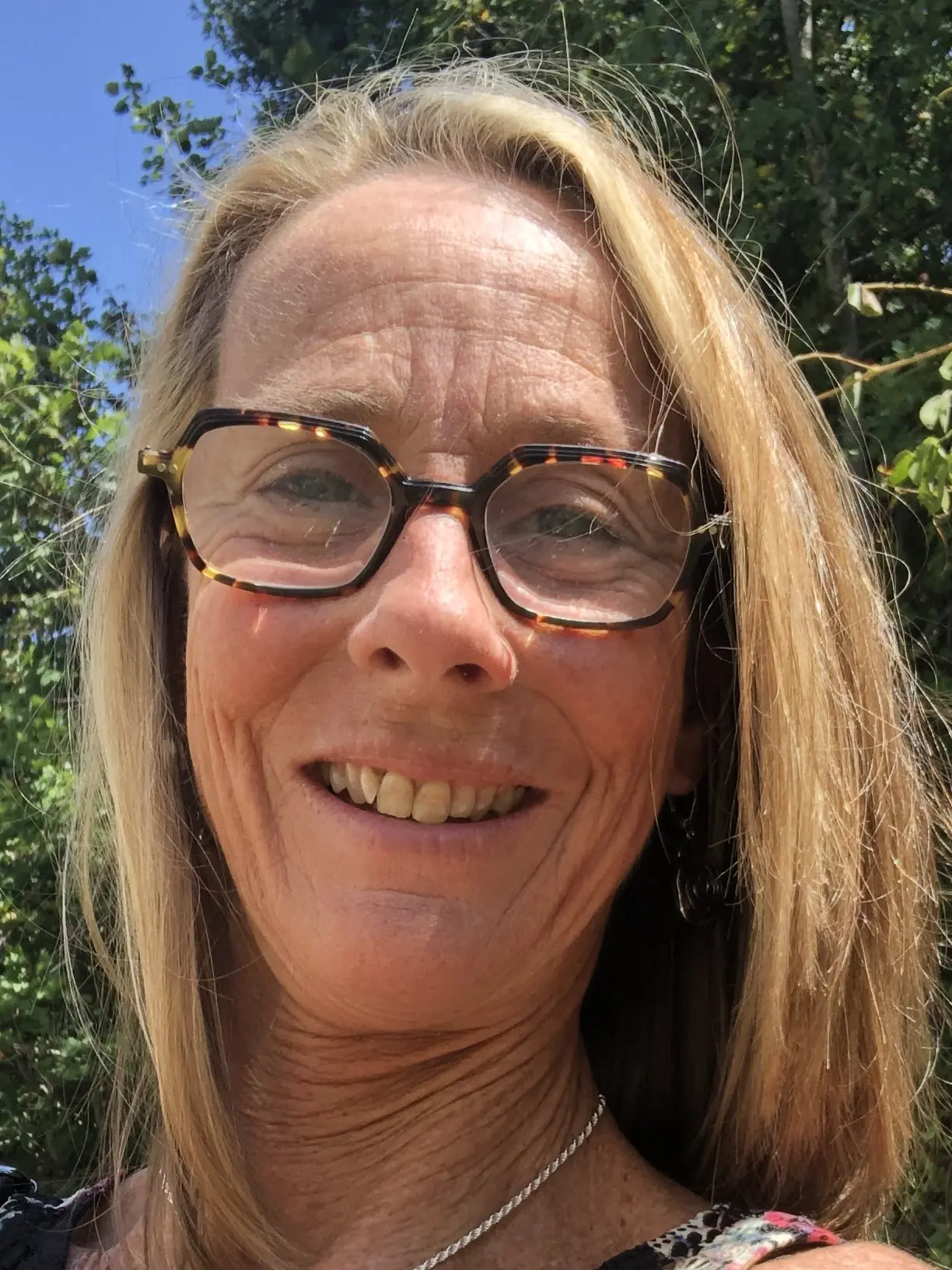
Headshot

30 years of practice · Remote sessions worldwide

My Story

I grew up
around medicine

Two members of my family were physicians, and many others worked in healthcare-related fields. I was raised with the belief that for every problem there was a diagnosis, a treatment plan, and eventually a solution.

Then a series of injuries and losses arrived, one after another. A car accident. A fall. A grief that lingered long after the loss itself. I went to every kind of specialist I could find. Some helped a little. Most didn't. A few left me feeling more broken than before — or simply invisible, because what I was experiencing didn't fit neatly into a chart.

"She wasn't trying to fix me. She was listening to what my body was actually saying."

A massage therapist I'd been seeing mentioned she'd been training in something called craniosacral therapy. I was skeptical — I'd had a lifetime of being trained to be skeptical. But I was also out of options, so I tried it.

What happened over the following months changed the way I understood bodies, pain, and healing. Not because it was mystical. Because it was specific. She was noticing things that no one else had thought to notice, and responding to what was actually there. The headaches that had lived behind my eyes for years began to ease. The tension I'd been carrying in my neck since the accident gradually released. My sleep changed.

Over the past three decades, I have continued advanced study in CranioSacral Therapy, SomatoEmotional Release, and other therapeutic modalities focused on nervous system support and whole-person care. I have worked with individuals experiencing chronic stress, pain patterns, neurological challenges, and emotional overwhelm, always with an approach rooted in careful listening to the body and nervous system.

In addition to clinical practice, I served two terms on the American Massage Therapy Association Georgia Chapter Board, one term as a chapter delegate, and received a humanitarian award for work supporting autistic children and their families.

My practice is intentionally small. I work with a limited number of clients at a time, and I like it that way. What I offer is attention — real, unhurried, careful attention to what your body is trying to tell us both.

Current sessions are offered remotely and do not involve hands-on massage therapy. Remote CranioSacral Therapy and SomatoEmotional Release sessions are intended as complementary wellness support and are not substitutes for licensed medical treatment or licensed mental health care.

What Clients Say

Words from people
who've been there

★ ★ ★ ★ ★

"I'd seen eight different specialists over three years for my migraines. After six sessions, I had my first migraine-free month in recent memory. I honestly didn't think that was possible anymore."

Margaret L.

Chronic migraine · 3 years

★ ★ ★ ★ ★

"I was skeptical about doing this over the phone. It seemed impossible. But something shifted in those first few sessions that I still can't fully explain — only that the constant tension in my jaw began to release."

David R.

TMJ disorder · Post-injury

★ ★ ★ ★ ★

"She listens in a way that I haven't experienced with any other practitioner — to me, and to whatever her hands are telling her. I came to her with fibromyalgia that had been dismissed by every doctor I'd seen. For the first time in years, I felt genuinely heard."

Sarah K.

Fibromyalgia · 5 years

★ ★ ★ ★ ★

"After my concussion, the world felt like it was wrapped in cotton. Doctors told me to rest and wait. After a few months of working with her, the fog genuinely began to lift. I'm back to work and back to myself."

Tom W.

Post-concussion syndrome

★ ★ ★ ★ ★

"The tinnitus I'd had for two years was driving me to the edge of what I could manage. Nothing had helped. Working with her over the phone — which I still find slightly miraculous — brought it from unbearable to manageable."

Anne B.

Tinnitus · 2 years

★ ★ ★ ★ ★

"I came to her after years of chronic neck pain following a car accident. What struck me most was that she never promised anything — just careful attention. That honesty was itself part of what made me trust the process."

Linda P.

Chronic neck pain · Post-accident

Sessions & Fees

How we work
together

Free Consultation

30 minutes · Zoom

Complimentary

Before we begin, I want to hear your story — what's brought you here, what you've tried, and what you're hoping for. This conversation helps us both understand whether CST might be a fit, with no obligation.

Schedule a Consult

Extended Session

90 minutes · Phone

$200.00

For those who prefer a slower pace, or when there is more to attend to. The extra time allows the work to unfold without rushing, which can be particularly valuable in early sessions or during complex periods.

Book Extended
About billing: Scheduling and payments are handled through Jane, a secure, HIPAA-compliant platform. You'll receive a booking link after your consultation. Craniosacral therapy is not typically covered by insurance, though some clients have been reimbursed under FSA or HSA accounts — worth checking with your plan administrator.
Cancellation policy: Because a limited number of appointments are available each week, 48 hours’ notice is requested for cancellations or rescheduling. Appointments canceled with less than 48 hours’ notice may incur a fee if the appointment time cannot be filled. Missed appointments or cancellations with less than 24 hours’ notice may be charged the full session fee.

Book a Session

Ready to find
out more?

The first step is a free 30-minute conversation over Zoom. There's no pressure and no commitment — just a chance to talk about what's going on for you and whether this kind of work might help.

  1. 1

    Free Zoom Consultation

    We talk. You share your history, I ask questions, and we see if CST might be right for you.

  2. 2

    Schedule Your First Session

    If we'd like to proceed, you'll book your first phone session through Jane, my scheduling platform.

  3. 3

    Sessions by Phone

    You're at home, comfortable. I guide us through the session. No travel, no clinic, no waiting room.

Book a Free Consultation

30 minutes over Zoom. No obligation. Just a conversation.

Schedule on Jane
A note on availability My practice is intentionally small — currently accepting a limited number of new clients. If you reach out and I don't have an opening right away, I'll let you know and we can discuss timing.

Common Questions

Things people
often wonder about

How does remote craniosacral therapy actually work?

This is the question I get most often, and the honest answer is: not everyone accepts that it can. What I can tell you is that after thirty years of practice, including many remote sessions, I consistently observe meaningful responses in clients. The leading hypothesis is that intention and attention operate beyond physical contact — but I'm less interested in the theory than in what I observe. If you're curious whether it might work for you, the free consultation is the right place to start.

What should I do during a phone session?

Find a comfortable, quiet place where you can lie down or recline without being disturbed for the length of the session. Wear comfortable clothes. You don't need to do anything in particular — the work doesn't require effort on your part. I'll guide us at the start, and then invite you into a restful state where we can both pay attention to what's happening in your body.

How many sessions will I need?

I won't give you a number, because I genuinely don't know — and I'd be skeptical of anyone who does. Some people notice significant change in two or three sessions. Others work with me for months or years, treating sessions the way they might treat regular body maintenance. It depends on what's going on, how long it's been there, and how your system responds. We'll talk honestly about what we're observing as we go.

Can I continue seeing my regular doctors?

Yes, absolutely. I don't ask clients to change their existing medical care, and I wouldn't want to. CST works alongside conventional medicine, not instead of it. I may occasionally notice something worth mentioning to your physician, and I'll always flag anything that seems like it warrants medical attention.

Is this appropriate for my particular condition?

The free consultation is the best way to explore that question together. I don't accept every client, and I'll be honest with you if I don't think CST is likely to help. There are also some situations — certain acute medical conditions, for instance — where I'd want you to be working with a physician before we begin.

Do you work with children?

CST can be very effective for children, including infants. Remote work with young children would involve a parent on the call, and I'd adapt the approach accordingly. Please mention during the consultation that you're inquiring on behalf of a child.